Common Misconceptions About Business Credit: What Every Entrepreneur Needs to Know
Understanding Business Credit
Business credit is a crucial aspect of any entrepreneurial venture, yet it is often shrouded in misconceptions. Unlike personal credit, business credit is tied to your company’s EIN (Employer Identification Number) rather than your social security number. This separation can provide a buffer between your personal and business finances, which is beneficial for managing risk.

Myth 1: Business Credit Is Not Necessary
One common misconception is that business credit is not essential, especially for small businesses or startups. However, strong business credit can improve your company’s ability to secure loans, negotiate better terms, and lower insurance premiums. It is a valuable asset that can enhance your business's credibility and financial health.
Myth 2: Personal Credit Affects Business Credit
While it’s true that lenders may look at your personal credit history when you’re just starting, business credit is ultimately separate from personal credit. As your business establishes its own credit history, it becomes less reliant on your personal credit score. This distinction can help protect your personal assets from business liabilities.
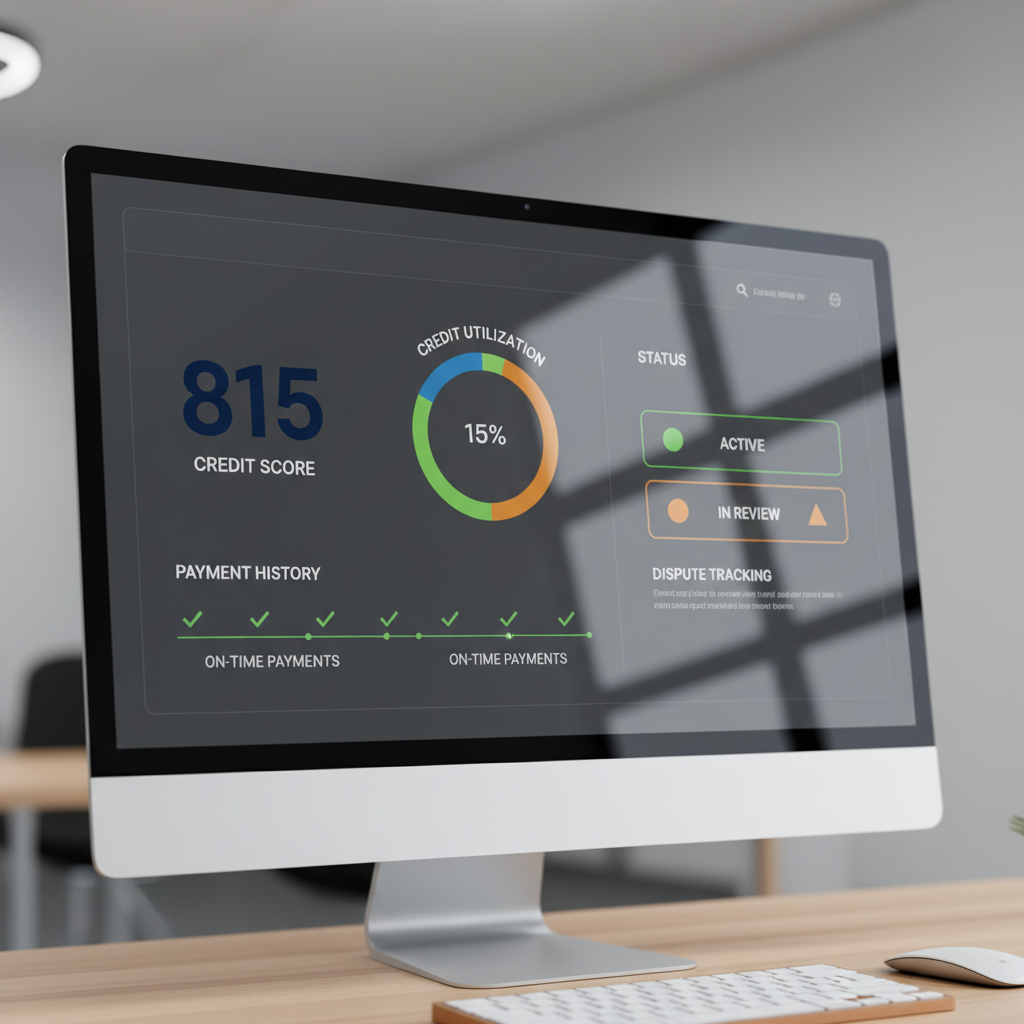
Building and Maintaining Business Credit
Establishing business credit requires diligence and strategic planning. Here are some steps to consider:
- Register your business as a legal entity.
- Obtain an EIN from the IRS.
- Open a business bank account.
- Apply for a business credit card.
- Ensure timely payments and manage credit limits responsibly.
Myth 3: Business Credit Takes Years to Build
Contrary to popular belief, building business credit doesn’t have to take years. By taking the necessary steps and demonstrating financial responsibility, your business can start establishing credit within a few months. Consistent, on-time payments are key to accelerating this process.

The Impact of Business Credit
Strong business credit can significantly impact your company’s growth potential. It can help secure better terms with suppliers, make it easier to lease property or equipment, and open up new financing opportunities. This leverage is particularly important during expansion phases when capital needs are greater.
Myth 4: Only Large Businesses Need Business Credit
Many believe that only large corporations need to worry about business credit, but this is far from the truth. Even small businesses can benefit greatly from having a solid credit profile. It can provide opportunities for growth and stability, which are crucial for long-term success.
Understanding and debunking these misconceptions about business credit can empower entrepreneurs to make informed decisions. By investing time in building and maintaining business credit, you can set your company on a path to success and resilience.