Understanding the Impact of Credit Scores on Business Loan Approval
What is a Credit Score?
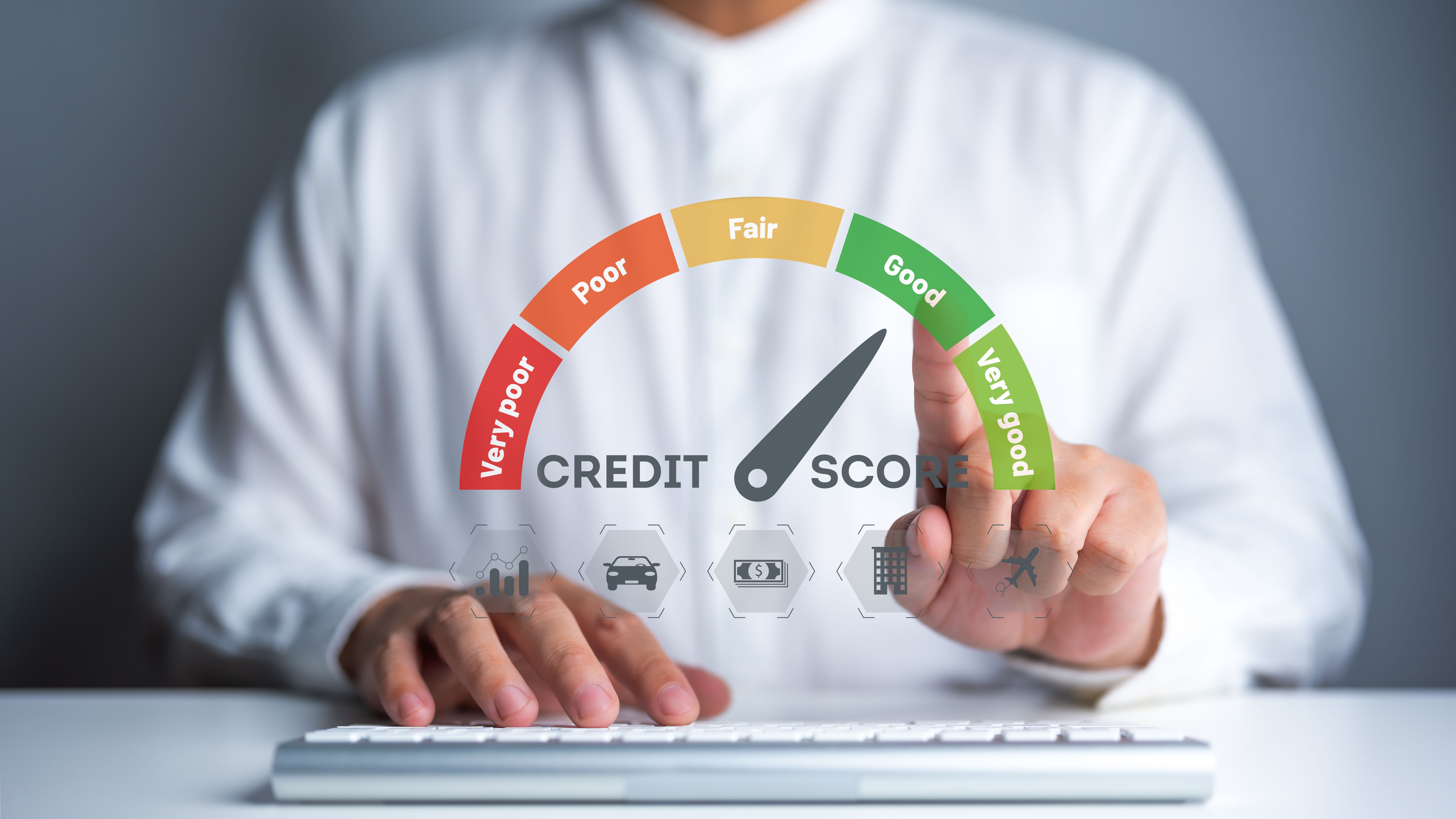
A credit score is a numerical representation of an individual's or business's creditworthiness, ranging from 300 to 850. This score is crucial for lenders in evaluating the risk associated with lending money. For businesses, a good credit score can mean the difference between securing funding and being denied.
Businesses often rely on loans to expand operations, purchase equipment, or manage cash flow. Therefore, understanding the impact of credit scores on loan approval is essential. A high credit score typically indicates responsible financial behavior, making a business more attractive to lenders.

How Credit Scores Affect Loan Approval
Lenders use credit scores as a primary factor in their decision-making process. A high credit score can lead to better loan terms, including lower interest rates and higher borrowing limits. Conversely, a low credit score can result in higher interest rates, stricter terms, or outright denial of the loan application.
Credit scores reflect the payment history, debt levels, and credit history length. For businesses, maintaining a strong credit score involves timely payments to creditors, keeping debts manageable, and regularly reviewing credit reports for accuracy.
The Role of Business Credit Scores
While personal credit scores are crucial, businesses also have their own credit scores. These scores are assessed by agencies like Dun & Bradstreet or Experian. Business credit scores typically range from 0 to 100, with higher scores representing lower risk to lenders.

Business owners should focus on building and maintaining their business credit scores separate from personal scores. This distinction can provide more significant opportunities for financing and reduce personal liability.
Improving Your Business Credit Score
Improving your business credit score involves several strategies. Firstly, ensure all bills and loans are paid on time. Establishing a strong payment history is crucial. Secondly, keep debt levels low relative to your available credit limits.
- Regularly review your business credit report for errors.
- Establish relationships with vendors that report payments to credit bureaus.
- Consider opening a business credit card to build your credit profile.
Conclusion: The Strategic Importance of Credit Scores
Understanding and managing both personal and business credit scores can significantly impact your ability to secure loans and grow your business. By maintaining high credit scores, businesses can enjoy better loan terms, increased borrowing potential, and enhanced financial flexibility.
Regularly monitoring credit reports and actively working to improve credit scores are essential strategies for any business owner aiming for long-term success. By prioritizing credit health, businesses can confidently pursue growth opportunities with the financial backing they need.